Spicy Pizza: A Handwritten Display Font for Editorial Design
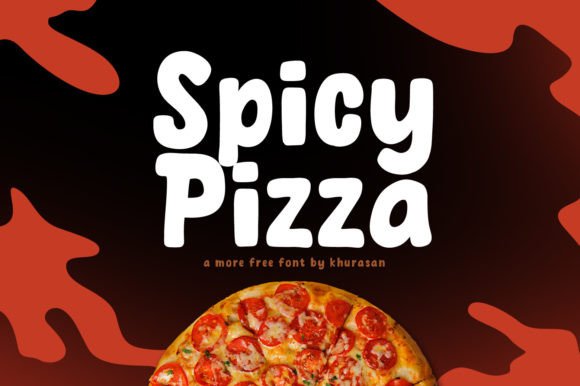
If you have ever searched for a typeface that brings warmth, personality, and a touch of playfulness to your layouts, you will appreciate what Spicy Pizza offers. As a modern and cute handwritten display font, Spicy Pizza is designed to catch the eye while keeping a friendly, approachable tone. For those of us who work in publishing, blogging, or content creation, finding a font that balances charm with readability is a real win. And when it is available as a Freebies offering in the Fonts category, it becomes an even more appealing addition to any designer’s toolkit. Whether you are laying out a magazine spread, designing a book cover, or building a brand identity for a newsletter, this font brings a distinctive voice to your work.
Spicy Pizza for Magazine Covers and Editorial Headlines
Magazine covers demand immediate visual impact. Readers scan newsstands or scroll through digital feeds, and a cover has only a split second to stop them. Spicy Pizza excels in this environment because its handwritten style feels both personal and bold. The irregular letterforms and natural rhythm of the strokes create a sense of movement that draws the eye. For a lifestyle magazine, a food publication, or a creative journal, using Spicy Pizza for the main cover headline sets a warm, inviting tone. It pairs beautifully with a clean, minimal background and allows the title to become the focal point of the cover. In editorial design, the headline is the first thing a reader sees, and Spicy Pizza ensures that first impression is memorable.
Inside the magazine, you can use Spicy Pizza for section headers, pull quotes, and accent typography. It breaks up the monotony of long text columns and gives each spread a distinct personality. The modern and cute handwritten display font works especially well for feature articles, opinion pieces, or columns that benefit from a conversational tone. By reserving Spicy Pizza for these highlight elements, you create a clear visual hierarchy that guides readers through the content naturally.
Using Spicy Pizza in Blog Headers and Article Layouts
For bloggers and content creators, the header of a blog post is often the first thing a visitor sees. A strong, distinctive header can reduce bounce rates and encourage readers to engage with the content. Spicy Pizza brings a handmade, approachable feel to blog headers that sets the tone for the article below. Whether you run a recipe blog, a travel journal, or a design tutorial site, this font adds a layer of personality that standard system fonts cannot match.
In article layouts, Spicy Pizza works well for subheadings, introductory pull quotes, and callout boxes. It introduces a playful contrast when paired with a clean serif font for body text. The handwritten style signals that the content is accessible and human, which is especially valuable for lifestyle blogs, personal essays, and how-to guides. Because Spicy Pizza is a Freebies font, you can experiment with it across multiple posts and sections without worrying about licensing costs, making it a practical choice for independent publishers and small media brands.
Spicy Pizza for Ebook Covers and Book Design Projects
Ebook covers present a unique challenge: they must look good both as a thumbnail on a sales page and as a full-size image on a reader’s device. Spicy Pizza handles this duality well. Its bold, clear letterforms remain legible at small sizes, while the handwritten details add character when viewed larger. For self-published authors, indie publishers, and content creators who produce ebooks, this font can serve as the primary title typeface for covers in genres like romance, lifestyle, self-help, and children’s books.
Inside the ebook, Spicy Pizza can be used for chapter headings, part titles, and decorative drop caps. It brings a cohesive visual thread from cover to content, reinforcing the brand identity of the publication. The modern and cute handwritten display font style works particularly well for recipe ebooks, wedding planning guides, and creative workbooks, where a friendly, approachable tone is essential. When you download Spicy Pizza from the Fonts category, you gain access to a typeface that can unify your entire book design project.
Incorporating Spicy Pizza in Newsletter Graphics and Quote Cards
Newsletters have become a primary channel for publishers and content creators to connect with their audience. The visual elements of a newsletter, including headers, dividers, and quote graphics, play a significant role in reader engagement. Spicy Pizza is ideal for newsletter graphics because its handwritten style feels personal, as if each word was written directly for the reader. You can use it for the newsletter title, section headers, and highlighted quotes.
Quote cards, in particular, benefit from the charm of Spicy Pizza. When you share a quote from an article or a reader testimonial on social media or within the newsletter itself, setting it in this font adds emotional weight. The irregular, human-quality strokes make the text feel sincere and relatable. For content creators who produce weekly or monthly newsletters, having a consistent font for quote graphics builds brand recognition. Spicy Pizza is a Freebies font, so you can include it in your newsletter templates without worrying about recurring licensing fees, which is a practical advantage for growing your publication.
Spicy Pizza for Branding and Visual Identity in Publications
Every publication needs a consistent visual identity, and typography is a cornerstone of that identity. Spicy Pizza can serve as the signature font for a blog, magazine, or newsletter brand. Its modern and cute handwritten display font style communicates values like creativity, approachability, and authenticity. When you use it consistently across your logo, headers, social media graphics, and printable materials, you create a cohesive brand experience that readers recognize and trust.
For printable materials such as planners, worksheets, guides, and lead magnets, Spicy Pizza adds a handcrafted feel that digital-native fonts often lack. A coaching workbook, for example, becomes more inviting when the title and section headers use this font. A wedding planning guide feels more personal and warm. The font’s personality supports the content’s message, making the publication feel more like a conversation than a broadcast. When building your brand identity, Spicy Pizza can be the element that sets you apart from other publishers in your niche.
Pairing Spicy Pizza with Readable Serif and Sans Serif Fonts
No single font does everything, and good editorial design relies on thoughtful font pairing. Spicy Pizza works best as a display font for titles, headers, and accent elements. For body text, you need a font that prioritizes readability over personality. A classic serif font like Georgia, Merriweather, or Playfair Display provides the legibility and formal structure that balances the playful energy of Spicy Pizza. The contrast between the handwritten display font and the refined serif creates a dynamic visual hierarchy that guides readers through the content.
For captions, bylines, and navigation elements, a clean sans serif font such as Open Sans, Lato, or Inter offers a neutral, modern counterpoint. This three-font system, with Spicy Pizza for display, a serif for body text, and a sans serif for supporting elements, creates a professional, polished look that works across print and digital formats. When you are selecting fonts for your publication, consider how Spicy Pizza interacts with the other typefaces in your layout. Test pairings at different sizes and weights to ensure that the hierarchy remains clear and the overall design feels cohesive. The Fonts ecosystem is rich with options, and Spicy Pizza integrates well with many of them.
Commercial Licensing and Using Spicy Pizza in Client Projects
As a publisher, blogger, or content creator, it is essential to understand the licensing terms of any font you use in commercial projects. Spicy Pizza is available as a Freebies font, but the specific usage rights can vary depending on where you download it. Many free fonts come with restrictions on commercial use, such as limiting the number of copies or prohibiting use in products for sale. Before you use Spicy Pizza in ebooks, templates, printables, paid newsletters, or client publications, verify the license agreement.
For editorial designers who create content for clients, such as magazine layouts, brand guides, or marketing materials, ensure that the font license covers commercial redistribution. If you are building templates for sale, such as wedding invitation templates or social media quote packs, confirm that the license allows for that use case. Some free fonts require a separate commercial license or a donation to the designer. By checking the terms upfront, you avoid legal issues and ensure that your work, and your clients’ work, remains compliant. Spicy Pizza is a valuable addition to your font library, and understanding its licensing empowers you to use it confidently across all your projects.
In digital publishing, where content is distributed to multiple platforms and devices, font licensing becomes even more important. Ebooks, PDFs, and interactive newsletters often embed fonts, which can trigger additional licensing requirements. If you are exporting a fixed-layout ebook or a printable PDF that includes Spicy Pizza, check whether the license permits embedding. Many free fonts allow embedding for personal and commercial projects, but the specifics vary. Taking a few minutes to review the license protects your work and supports the font designer who created this useful resource.
For bloggers and newsletter writers who use Spicy Pizza in their own publications, the licensing is typically straightforward. Most free fonts allow use in personal and commercial projects as long as you do not resell the font itself. This means you can use Spicy Pizza in your blog headers, newsletter graphics, lead magnets, and social media content without additional cost. The font becomes a sustainable part of your publishing toolkit, helping you maintain a consistent, appealing visual identity without ongoing expenses.
Ultimately, Spicy Pizza is a modern and cute handwritten display font that brings personality, warmth, and editorial charm to any project. Whether you are designing a magazine cover, a blog header, an ebook, or a newsletter graphic, this font supports your creative vision. Its availability as a Freebies font in the Fonts category makes it an accessible choice for publishers of all sizes. By understanding how to use it effectively, pair it with complementary fonts, and navigate its licensing, you can integrate Spicy Pizza into your editorial workflow and create content that connects with readers on a deeper level.