Vintage Rough: A Display Font for Handmade Product Crafters
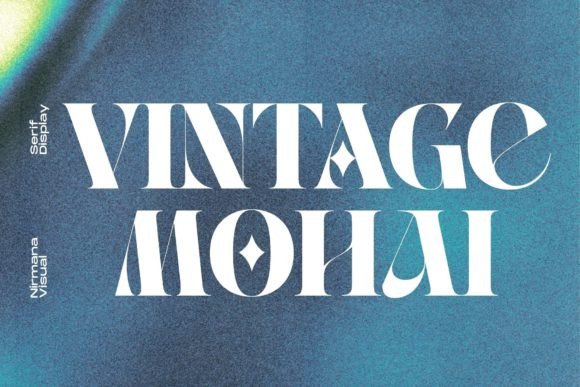
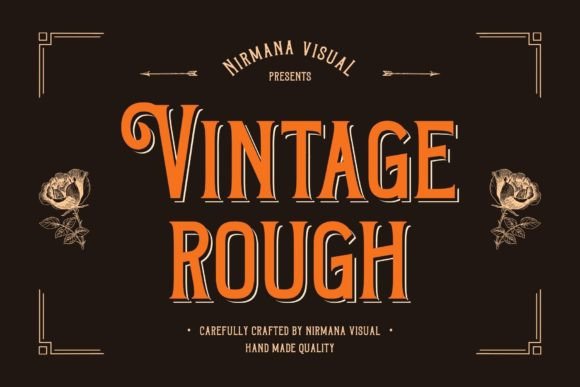
When I first tested Vintage Rough on a set of kraft paper labels for my handmade soy candles, I knew I had found something special. This vintage-inspired typeface brings a worn-in warmth that instantly makes products feel like they have a story. As a maker who sells on Etsy and at local markets, I need fonts that look beautiful on screen and even better in print. Vintage Rough delivers that balance with its bold, stylized letters and smooth curves, which add a touch of rustic charm without sacrificing readability. Whether you are designing packaging for bath salts or creating signage for a pop-up shop, this Display font gives your work that treasured, timeworn look customers love.
Using Vintage Rough for Handmade Labels and Product Packaging
Vintage Rough works beautifully on product labels because its bold weight holds up at small sizes. I use it for candle labels, jar tags, and even the little hang tags on my knit goods. The rough texture in the letterforms mimics the feel of letterpress or hand-stamped ink, so your packaging looks artisanal right out of the printer. When you print on matte or textured paper, the font reads clearly without losing its nostalgic edge. For makers who sell sachets, soaps, or spices, Vintage Rough gives each label a cohesive, handcrafted identity. The Fonts category it belongs to ensures you get a versatile tool that works across sticker sheets, cardstock inserts, and even fabric labels sewn into clothing.
How Vintage Rough Enhances Wedding Invitations and Stationery
Brides and couples searching for stationery with character are drawn to the warmth Vintage Rough provides. I use it for invitation suites, welcome signs, and thank-you cards because the bold lettering feels both celebratory and grounded. The smooth curves keep the typeface inviting rather than harsh, which matters when you are setting a romantic or rustic tone. For envelope addressing, paired with a flowing script, Vintage Rough creates that coveted mix of formal and relaxed. Printable invitation shops can feature this font as a key style option, and the Display category means it shines on headlines, couple names, and event dates. It also prints beautifully on vellum and cotton paper, giving your stationery a premium, deluxe feel that customers are happy to pay for.
Vintage Rough for Farmhouse Signs and Home Decor Printables
Farmhouse style relies on fonts that look like they have been part of the house for generations. Vintage Rough fits that brief perfectly. I have used it for welcome signs, kitchen quotes, and framed scripture art in my own shop. The bold, stylized letters read well from across the room, and the rough edges add a subtle, weathered effect that matches reclaimed wood and galvanized metal. For makers who create SVG designs for laser engraving or vinyl cutting, Vintage Rough maintains its integrity through the cut. I have tested it on my Cricut and Silhouette machines, and the letterforms stay connected where they should, with no awkward breaks. When I sell digital downloads of printable wall art, this font is often the one customers comment on first—they love how it pairs the charm of old typography with the clean readability needed for home decor.
Pairing Vintage Rough with Script and Sans Serif Fonts
No font works alone in a well-designed product, and Vintage Rough plays nicely with others. For a balanced look, I pair it with a clean sans serif font for body text on labels or packaging back panels. The contrast between the rough, bold headlines and a smooth, neutral sans gives the design room to breathe. Alternatively, pairing Vintage Rough with an expressive script font creates a dynamic combo perfect for logos, monograms, or accent wording on invitations. The script adds flow and elegance, while Vintage Rough anchors the design with its sturdy presence. I also find that a simple serif font works well for secondary information like ingredients or care instructions, letting the display font take center stage without overwhelming the customer. Testing these pairings in mockups before production saves time and ensures your final product looks cohesive.
Checking Vintage Rough File Formats and Multilingual Support
Before you commit to a font for commercial use, it pays to verify the included formats and language coverage. Vintage Rough typically comes with OTF and TTF files, which work across design software like Adobe Illustrator, Canva, and Affinity. For makers using Cricut Design Space or Silhouette Studio, TTF files install easily and behave predictably. If the font includes ligatures, alternates, or swashes, you can add special character variations that elevate your designs—swapping a standard letter for a flourished version on a wedding invitation, for example. Multilingual support is another practical consideration. If you sell to international customers or create bilingual packaging, checking that Vintage Rough covers accented characters and common glyphs saves you from manual adjustments later. These details affect how smoothly your production workflow runs, especially when you are fulfilling multiple orders.
Commercial Licensing for Vintage Rough in Physical Products
Understanding commercial font licensing protects your business and your creative work. When you purchase Vintage Rough for selling physical products—whether candles, mugs, shirts, tote bags, or printed stationery—confirm that the license covers the quantity and volume of your production. Some font licenses limit the number of sales or require an extended license for mass production. For handmade sellers and printable product creators, a standard commercial license usually allows you to use the font on items you make and sell yourself. However, if you plan to sell digital templates, SVG designs, or editable printables that include the font outlines, check whether an additional license is needed. Always read the terms provided with the font download, and if in doubt, contact the designer. This small step keeps your shop compliant and ensures you can keep using Vintage Rough across your product line without interruption.
Readability Advice for Cutting Machines and Small Stickers
One practical lesson I learned early in my craft business is that a beautiful font does not always cut well on vinyl or print clearly at tiny sizes. Vintage Rough handles both challenges better than most display fonts I have tried. For small stickers, such as logo labels or favor tags, keep the font size above 12 points to preserve the rough texture without losing legibility. When cutting with a Cricut or Silhouette, use the bold weight and avoid scaling the letters too small—anything under half an inch risks the intricate edges becoming fragile. I also recommend running a test cut on scrap material before starting a full batch. The smooth curves in Vintage Rough mean fewer weeding headaches, and the bold strokes hold up well on both glossy and matte vinyl. For printed stickers, the font looks especially good on transparent or kraft backgrounds, where the vintage vibe really pops.
Why Vintage Rough Works for Boutique Tags and Seasonal Packaging
Boutique brands and seasonal product lines benefit from fonts that feel distinct without being loud. Vintage Rough gives your tags and packaging a consistent identity that customers recognize across different items. I use it for Christmas gift tags, Valentine's Day cards, and autumn farmers market labels, and it adapts to each season by pairing with the right colors and illustrations. The font's nostalgic quality works especially well for limited-edition releases where you want to create a sense of heritage or tradition. When I redesigned my own bath product labels with Vintage Rough, repeat customers commented that the packaging felt more polished and trustworthy. For handmade sellers who want their brand to feel both approachable and professional, investing in a premium font like this pays for itself through stronger customer connection and higher perceived value.
Vintage Rough has become a staple in my design toolkit because it consistently delivers on both beauty and practicality. Whether you are crafting candle labels, wedding stationery, farmhouse signs, or boutique tags, this typeface brings a vintage-inspired charm that resonates with buyers. Its bold, stylized letters and smooth curves make it a go-to choice for makers who want their products to stand out with warmth and character. By pairing it thoughtfully with complementary fonts, understanding its file formats, and respecting commercial licensing, you can use Vintage Rough to elevate your entire product line. If you are ready to give your handmade goods a cohesive, nostalgic identity, this font is worth adding to your creative arsenal.